Pressure Cleaning for Tennis Courts: Surface Care Basics
A clean tennis court supports reliable footing, consistent play and easier surface maintenance. In Melbourne Bayside, windblown sand, leaf litter, coastal exposure and shaded areas can all contribute to dirty or slippery courts. However, removing that build-up requires more care than simply turning up a pressure washer.
Pressure cleaning must suit the court’s surface, coating condition and drainage system. An approach that works for an uncoated concrete path may strip an acrylic court coating, disturb synthetic turf infill or damage painted lines. Understanding these differences helps homeowners, clubs, schools and property managers arrange effective cleaning without unnecessary surface wear.
Why Tennis Courts Need Regular Cleaning
Outdoor courts collect dust, pollen, bird droppings and organic debris. When leaves and fine sediment remain on the surface, they hold moisture and create favourable conditions for algae and moss. These growths can become slippery, particularly around shaded baselines, fence edges and poorly draining corners.
Loose grit also acts as an abrasive under shoes. On coated hard courts, accumulated dirt can obscure cracks, worn areas and drainage problems that need attention. Cleaning does not repair these defects, but it makes them easier to identify and monitor.
Melbourne Bayside properties face varied conditions. Courts near the coast may receive windblown sand and salt deposits, while sheltered courts beneath trees can stay damp long after surrounding areas dry. Maintenance should respond to the actual site rather than follow a fixed schedule based only on location.
Identify the Court Surface Before Pressure Washing
The first step is confirming what the playing surface is made from. Check installation records, maintenance instructions or advice from the original installer. A court that looks like painted concrete may actually have a layered acrylic or cushioned system requiring a specific cleaning method.
Acrylic-Coated Hard Courts
Acrylic coatings are common on outdoor hard courts. They provide colour, texture and playing characteristics over an asphalt or concrete base. Excessive pressure, concentrated spray or aggressive scrubbing can remove coating material, damage line markings and leave uneven patches.
Cleaning generally involves removing loose debris, treating contamination with a compatible product where necessary, and using controlled washing or rinsing approved for the coating. There is no single safe pressure setting for every acrylic court. Coating age, nozzle type, water flow, working distance and existing damage all affect the result.
Sand-Filled Synthetic Grass
Sand-filled synthetic grass needs a different maintenance approach. Routine care usually centres on debris removal, brushing and managing the infill. Aggressive pressure washing can displace sand, flatten or damage fibres, disturb seams and expose the backing.
If deep cleaning is necessary, use a contractor familiar with sports turf and the particular surface system. Specialist extraction or controlled cleaning may be more appropriate than ordinary pressure washing. Any displaced infill needs assessment and redistribution or replacement before play resumes.
Clay, Natural Grass and Other Specialist Surfaces
Clay and natural grass courts are not suitable for conventional pressure cleaning of the playing surface. They require their own maintenance practices, such as grooming, moisture management, rolling or turf care.
Older modular tiles, cushioned systems and proprietary surfaces also need manufacturer-specific advice. Never assume that a method suitable for an adjacent path is safe for the court itself.
Inspect the Court Before Cleaning Begins
A pre-cleaning inspection helps prevent avoidable damage. Look closely at the playing area, perimeter and drainage outlets. Photograph defects so their condition is recorded before any work starts.
- Cracks and lifted edges: Water directed into openings may worsen existing separation or disturb loose material.
- Peeling or powdery coatings: These may indicate deterioration that cleaning cannot resolve.
- Worn line markings: Fragile paint can lift during washing or scrubbing.
- Standing water: Persistent puddles may indicate blocked drainage, surface depressions or base movement.
- Moss and algae: Identify affected areas so treatment can be targeted rather than unnecessarily applied across the entire court.
- Nearby assets: Check electrical fittings, fences, garden beds and stormwater inlets before planning water use.
If the coating is already failing, seek advice from a tennis court resurfacing specialist before booking a full clean. Washing may reveal underlying deterioration, but it cannot restore adhesion or repair structural movement.
How a Surface-Safe Cleaning Process Works
Remove Loose Material First
Begin with leaves, branches, litter and loose grit. Use tools appropriate to the surface, such as a soft broom or carefully operated blower. Avoid stiff wire brushes and aggressive scraping on coated courts.
Collect debris rather than pushing it into drains, garden beds or neighbouring properties. Dry removal reduces the amount of sediment that enters wash water and makes the wet-cleaning stage more efficient.
Test a Small, Discreet Area
A test patch helps establish whether the proposed equipment and cleaning product are suitable. Check the area after it dries for colour change, texture loss, exposed substrate or damage to markings.
The operator should assess the whole cleaning setup, not just the pressure gauge. Nozzle pattern, flow rate, distance from the surface and movement speed all influence cleaning intensity. A narrow jet or a nozzle held too close can cause damage even during a brief pass.
Use Compatible Products Carefully
Algae, mildew and other organic contamination may need a suitable treatment rather than stronger water pressure. Product selection should follow the court manufacturer’s guidance, the cleaner’s label and its safety data sheet.
More chemical is not necessarily more effective. Strong mixtures, excessive dwell times or incomplete rinsing can damage coatings, affect surrounding vegetation or leave residues. Never mix cleaning chemicals, particularly chlorine-based products with acids or ammonia-containing cleaners.
Clean Evenly and Rinse Thoroughly
On a suitable hard court, work in manageable sections using consistent passes and the least aggressive effective method. Avoid repeatedly concentrating on one stubborn mark. Some stains cannot be removed completely without damaging the surface.
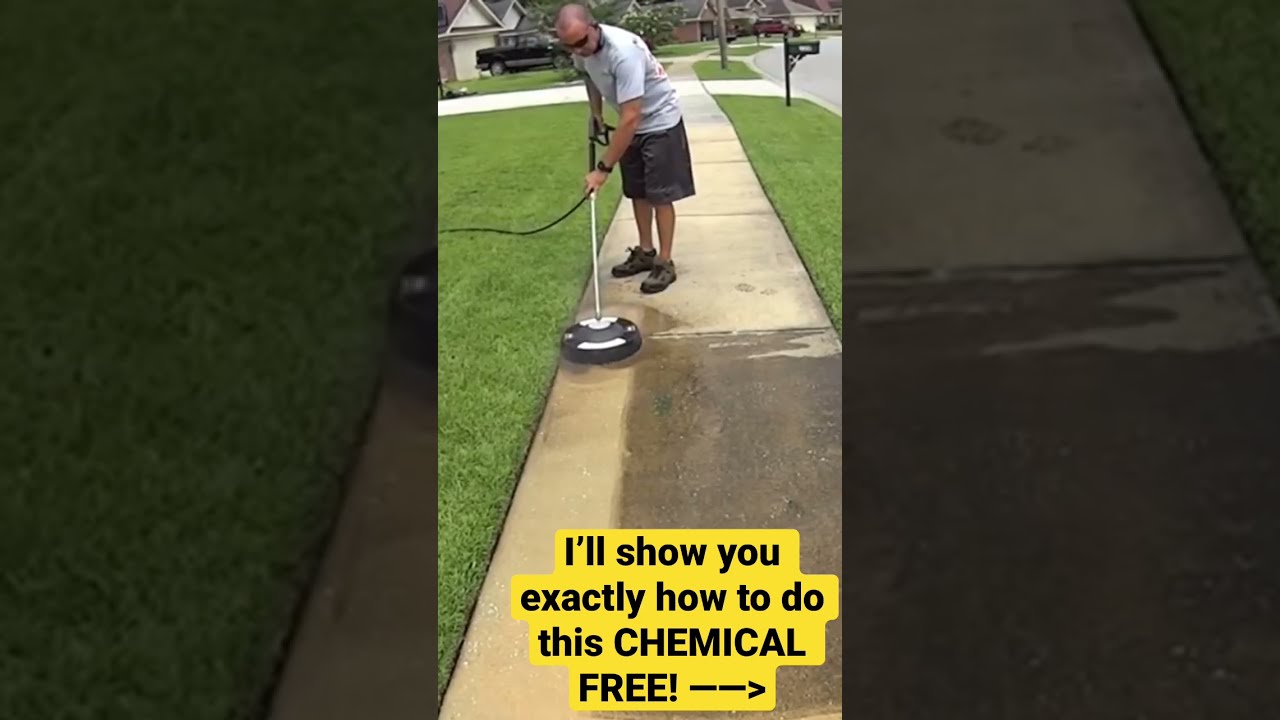
Rotary surface cleaners are not automatically suitable for tennis courts. Their use depends on the coating, equipment configuration and manufacturer guidance. Likewise, heated water sometimes associated with power washing should not be used unless the surface system permits it.
Complete rinsing matters because detergent residue can affect traction. Keep hoses and equipment from dragging across fragile areas, and prevent dirty water from flowing back over cleaned sections.
Manage Runoff and Water Use in Melbourne Bayside
Wash water can contain sediment, organic matter and cleaning chemicals. It should not simply be directed into a street gutter or stormwater pit. Stormwater systems can carry pollution to local waterways and Port Phillip Bay.
In Victoria, the general environmental duty requires people undertaking activities that may create pollution risks to minimise those risks so far as reasonably practicable. For court cleaning, practical controls can include collecting debris before washing, protecting stormwater inlets, containing wash water and arranging suitable recovery and disposal.
Blocking a drain alone is not a complete runoff plan. The collected water still needs a lawful disposal route. Sewer disposal may require approval from the relevant water corporation; it is not an automatic alternative to stormwater discharge.
Before work begins, check current water-use requirements with the relevant Melbourne water retailer. Permanent water-saving rules or any additional restrictions can affect outdoor cleaning practices. A contractor should be able to explain both how water use is controlled and how contaminated runoff is managed.
Choose Suitable Weather and Allow Full Drying
Weather affects cleaning results and site safety. Strong coastal winds can spread spray onto nearby property or planting. Hot surfaces can cause cleaning solutions to dry too quickly, while rain can disrupt treatment and https://cashmnnp658.wpsuo.com/essential-roof-cleaning-safety-protocols-for-tall-homes runoff containment.
Choose a workable weather window and follow product instructions for application conditions. Avoid allowing chemicals to dry on the court unless the product specifically requires that process.
Keep players off the court until it is fully dry, free of cleaning residue and inspected for safe use. Shaded corners and low points may remain damp after the central playing area looks ready. If repairs or new coatings are applied, their separate curing requirements determine when play can resume.
How Often Should a Tennis Court Be Cleaned?
Cleaning frequency depends on the surface, usage, tree cover, drainage and local exposure. Regular light maintenance is generally preferable to allowing contamination to accumulate until aggressive cleaning seems necessary.
Inspect the court routinely and after storms or heavy leaf fall. Remove organic debris promptly, monitor slippery patches and check drainage outlets. Arrange deeper cleaning when contamination persists or routine care no longer keeps the surface in suitable condition.
A shaded residential court may need more frequent attention to biological growth than an open, sunny club court. Conversely, a busy court may accumulate more tracked-in dirt. Use inspection findings and installer recommendations to set the schedule.
Choosing a Tennis Court Cleaning Service
Experience with general exterior cleaning is useful, but tennis courts require surface-specific knowledge. A business offering driveway cleaning, house washing or roof cleaning should still explain how its court-cleaning process differs from those services. Robust paving and delicate sports coatings do not tolerate the same treatment.
- Ask about comparable surfaces. Confirm that the contractor understands your court type and any manufacturer restrictions.
- Request a clear method. The proposal should address inspection, testing, equipment, cleaning products and protection of line markings.
- Discuss runoff before booking. Establish who provides containment, recovery and appropriate wastewater disposal.
- Clarify limitations. Existing coating failure, permanent stains and structural cracks should be distinguished from removable dirt.
- Confirm practical arrangements. Check insurance, access requirements, water supply, exclusion areas and reopening advice.
A useful quote describes the work and its limits rather than promising a “like-new” result regardless of surface condition. If resurfacing appears necessary, obtain that assessment before spending money on intensive cleaning.
Protect the Surface Between Professional Cleans
Good day-to-day care reduces the need for heavy pressure cleaning. Keep surrounding paths clean to limit tracked-in grit, trim vegetation where appropriate and remove leaves before they break down. Check irrigation so it does not unnecessarily wet the playing surface or contribute to recurring damp patches.
Address drainage concerns rather than repeatedly treating the same algae-prone area. Keep furniture and maintenance equipment from scraping coatings, and use footwear appropriate to the court surface.
For Melbourne Bayside courts, the best approach is straightforward: identify the surface, clean conservatively, control runoff and maintain the court regularly. The goal is a clean, usable playing surface without sacrificing the coating or structure beneath it.
Bayside Pressure Cleaning Pros
Unit 3/3-5 Arnold St, Cheltenham VIC 3192
ph. (03) 4517 6380